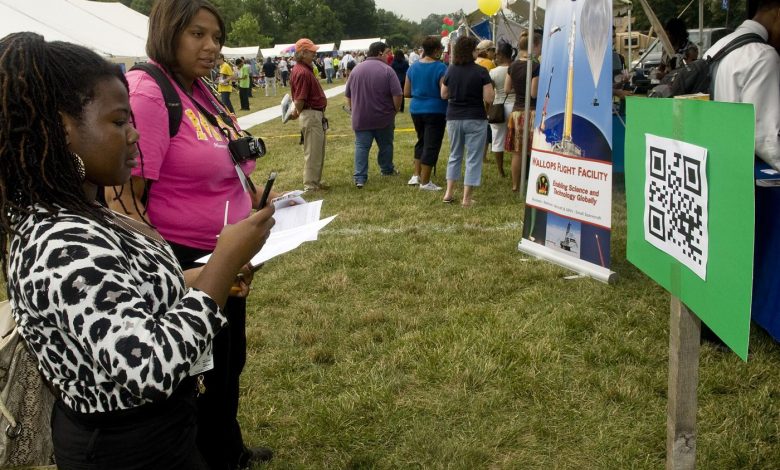
The black-and-white square has become one of the most trusted symbols of modern life. QR codes open menus, pay for parking, log in to services and confirm deliveries, and people scan them without a second thought. Criminals have noticed. In a scam known as quishing, short for QR code phishing, attackers hide a malicious link inside a code that leads to a fake login page, a payment form or a download carrying malware. The trick works because the code conceals its destination: unlike a written web address, it cannot be read at a glance. The FBI has warned about criminals pasting fake codes over genuine ones on parking meters, and about unsolicited parcels arriving with a code that victims are urged to scan. In Britain, Action Fraud received 784 quishing reports between April 2024 and April 2025, with almost 3.5 million pounds lost, and car parks were the most common setting.
What the Evidence Shows
The danger is growing because email filters often fail to inspect images, so a code inside an attachment can slip past defences that would catch a suspicious link. In January 2026 the FBI and the United States Cybersecurity and Infrastructure Security Agency warned that North Korean hackers had used malicious QR codes in spear-phishing campaigns against think tanks, universities and government bodies. The defences are simple but require a change of habit. Phone cameras now show a preview of the address before opening it, and that preview should always be checked. Codes on posters, meters and parcels should be examined for stickers placed over the original, and apps should only ever be downloaded from an official store. A code that arrives unexpectedly, or that demands urgent action, deserves the same suspicion as any strange link. Reporting and analysis from sources such as MIT Technology Review track the same developments, and specialists following QR code phishing say the direction is now consistent across independent lines of evidence.
The Wider Context
The wider context is an industry learning to ship capability and restraint together. Products built around QR code phishing now launch with safety evaluations, usage data and rollback plans as standard, because enterprise buyers and regulators ask for them in the first meeting. Companies that treated those questions as friction are discovering they have become the purchase criteria.
What Happens Next
What happens next for QR code phishing depends less on another breakthrough than on the unglamorous work of reliability, pricing and support. The buyers evaluating it now are not enthusiasts; they are operators with budgets and auditors, and their checklists will decide the timeline. On the evidence of the current pilots, the technology has earned the right to be judged by them. You can follow related developments in our coverage of technology.
There is a practical lesson in all of this for readers deciding what to do today. Start with the verified facts, be wary of anyone promising certainty, and prefer reversible steps while the evidence is still developing. Circumstances differ by country, income and personal situation, so general guidance should always be weighed against your own context before you act on it in any significant or lasting way.