
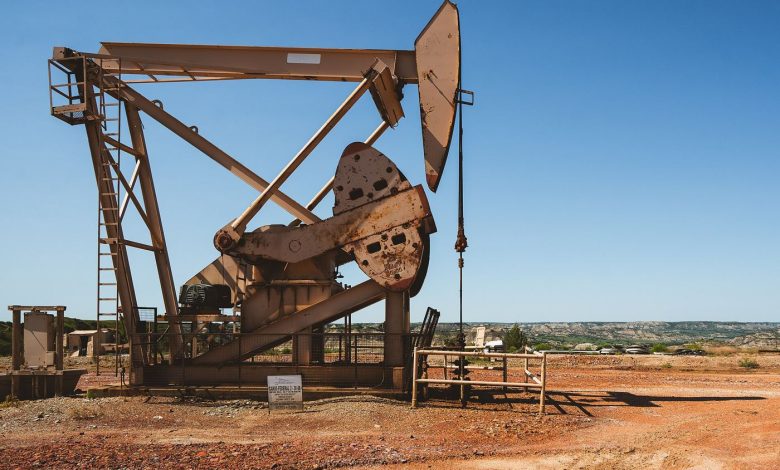
Oil prices have fallen sharply in November, sliding by roughly a fifth in a matter of weeks as rising supply overwhelmed fears about conflict in the Gulf. Brent crude, the global benchmark, had spiked to 136 dollars a barrel on 8 October, but by mid-November it was trading near 91 to 92 dollars, after falling below 90 at one point during the week. The International Energy Agency said in its November report that global oil supply had exceeded demand for the first time since the war in the region began, with supply expected to average about 105 million barrels a day in the final quarter of the year, around 1.7 million barrels a day above forecast demand. Gulf producers have brought exports close to pre-war levels, with Saudi Arabia producing 10.5 million barrels a day in October, while weekly American output topped 14 million barrels a day for the first time.
What the Evidence Shows
The fall is good news for drivers and for households facing heating bills, but it is a warning sign for oil-producing countries and for energy companies. The IEA also forecast that world oil demand would fall by 2.7 million barrels a day in 2026, partly because high prices had suppressed consumption, before rebounding in 2027. Traders are now watching the OPEC+ meeting due on 29 November, where producers will decide output policy for 2027, and the Strait of Hormuz, where attacks on tankers continue even as prices fall. Analysts note that shipping through the strait is running at only about half of pre-war levels, so the market could turn again quickly. For now, though, the message is clear: supply has caught up with demand, and the risk premium that lifted prices in October is fading fast. Reporting and analysis from sources such as Financial Times track the same developments, and specialists following oil price slide say the direction is now consistent across independent lines of evidence.
The Wider Context
The wider context is a financial system repricing risk after a long era of cheap money. Decisions shaped by oil price slide are being made under closer supervisory attention, with stress tests and disclosure rules that assume conditions can worsen quickly. Institutions that planned for the benign case are adjusting in public, which is uncomfortable and healthy in equal measure.
What Happens Next
What happens next with oil price slide will be visible first in the data that professionals watch weekly: flows, spreads and the terms on new deals. Participants who spoke for this article expect a period of adjustment rather than drama, with the biggest effects landing on those who assumed the old conditions were permanent. Planning, as ever, is the cheapest hedge. You can follow related developments in our coverage of finance.
None of this will be settled by a single announcement, study or product launch. The pattern to watch is accumulation: independent confirmations, honest reporting of failures and steady improvement in the underlying numbers. Readers who follow those signals, rather than the loudest claim of the week, will understand this subject better than most of the commentary surrounding it suggests is possible.