
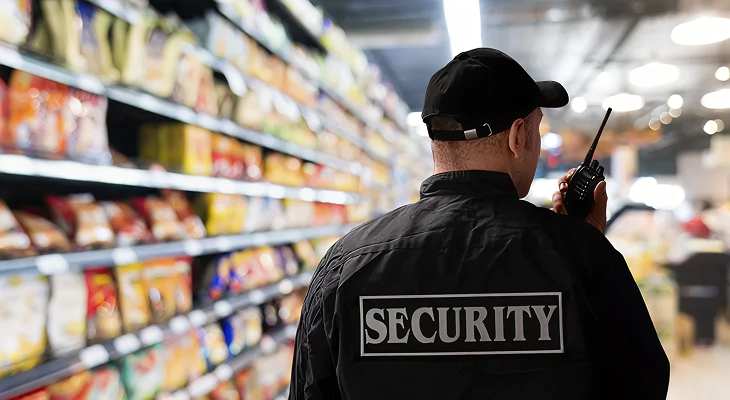
Retail stores welcome customers throughout the day, but regular public access can create challenges involving theft prevention, customer disputes, unauthorized entry, and employee safety. A thoughtful security plan can help retailers manage these concerns while maintaining a welcoming shopping environment. Businesses considering additional protection can review security guard services as part of their approach to retail safety in Brisbane.
Recognizing Common Retail Risks
Retail security requirements depend on the type of store, its location, opening hours, stock value, and customer traffic. Clothing shops, supermarkets, electronics retailers, and shopping centres may face different operational concerns.
Potential issues can include suspicious activity, disputes over purchases, restricted-area access, and incidents around entrances or car parks. Reviewing previous incidents and identifying busy periods can help managers decide where supervision may be most useful.
Creating a Visible Security Presence
A trained security guard can provide a visible point of contact for customers and employees. Depending on the assignment, responsibilities may include observing public areas, monitoring entrances, conducting authorized patrols, and reporting concerns to store management.
Visibility alone cannot eliminate every risk, but it can support other measures such as staff training, inventory controls, cameras, and suitable store layouts. Combining these measures can help retailers develop a more consistent security process.
Managing Customer Incidents Professionally
Retail environments sometimes involve disagreements about prices, returns, store policies, or suspected theft. Employees should understand when to request assistance rather than attempting to manage a potentially unsafe situation alone.
Security personnel should follow agreed procedures, communicate calmly, and avoid escalating confrontations. Any response must remain within applicable laws, training, and the guard’s authorized responsibilities.
Protecting Staff During Opening and Closing
Opening and closing periods may require additional attention because fewer employees may be present, deliveries may be arriving, and cash or stock procedures may be taking place.
Retailers can establish clear routines for checking entrances, securing restricted areas, and reporting unusual activity. Depending on the assessed risk, scheduled security coverage may support these routines and provide an additional point of assistance.
Selecting Retail Security Support
Retailers should explain their operating hours, store layout, customer volumes, and main concerns when requesting a security proposal. They should also confirm the provider’s licensing, training, communication procedures, and incident-reporting arrangements.
The right approach should support both safety and customer experience. Security measures that are clear, proportionate, and professionally managed can fit more naturally into everyday retail operations.
Conclusion
Retail safety depends on preparation, employee awareness, and appropriate security measures. By identifying risks and establishing clear response procedures, Brisbane retailers can work toward a safer environment for staff and customers while keeping daily operations running smoothly.