
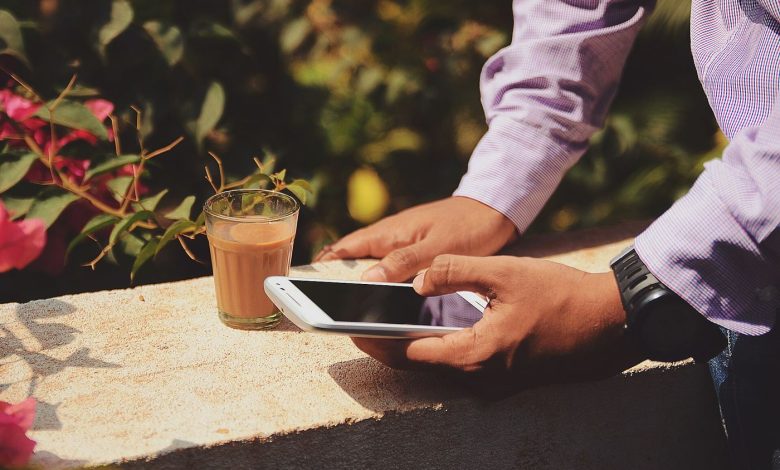
A phone that has lost its signal no longer has to stay silent. Satellite messaging now lets ordinary smartphones send texts directly to satellites in low Earth orbit when no mobile tower or Wi-Fi network is in reach. Apple built emergency satellite messaging into the iPhone 14 and later models, Google offers satellite SOS on recent Pixel phones, and T-Mobile sells T-Satellite, a service powered by SpaceX Starlink satellites, to customers of any carrier in the United States for about ten dollars a month. The service covers text messages, photos, location sharing and a small set of optimised apps, although it is far slower than normal mobile data and cannot stream video. Messages can take thirty seconds or several minutes to send, and the phone needs a clear view of the sky. Even with those limits, the change is significant. Hikers, sailors, rural workers and people caught in storms or power cuts can now reach help or reassure family from places where a phone was once useless.
What the Evidence Shows
The technology works because satellites now carry radios that speak the same frequencies as ordinary phones, so no special handset or bulky antenna is needed. More than 650 Starlink direct-to-cell satellites were in orbit by 2026, and rival networks such as AST SpaceMobile are preparing similar services with mobile operators. The first use was emergency SOS, but the service has widened into everyday messaging, weather updates and navigation in remote areas. That raises practical questions about pricing, coverage and reliability, since satellite links can be blocked by trees, buildings and bad weather, and the free trials offered by phone makers may not last forever. Rescue services welcome the extra safety net, while network planners see satellite links as a backup for disasters that knock out towers. For most users the service will sit quietly in the background, unnoticed until the day the bars disappear and a message still gets through. Reporting and analysis from sources such as MIT Technology Review track the same developments, and specialists following satellite texting say the direction is now consistent across independent lines of evidence.
The Wider Context
The wider context is an industry learning to ship capability and restraint together. Products built around satellite texting now launch with safety evaluations, usage data and rollback plans as standard, because enterprise buyers and regulators ask for them in the first meeting. Companies that treated those questions as friction are discovering they have become the purchase criteria.
What Happens Next
What happens next for satellite texting depends less on another breakthrough than on the unglamorous work of reliability, pricing and support. The buyers evaluating it now are not enthusiasts; they are operators with budgets and auditors, and their checklists will decide the timeline. On the evidence of the current pilots, the technology has earned the right to be judged by them. You can follow related developments in our coverage of technology.
There is a practical lesson in all of this for readers deciding what to do today. Start with the verified facts, be wary of anyone promising certainty, and prefer reversible steps while the evidence is still developing. Circumstances differ by country, income and personal situation, so general guidance should always be weighed against your own context before you act on it in any significant or lasting way.