
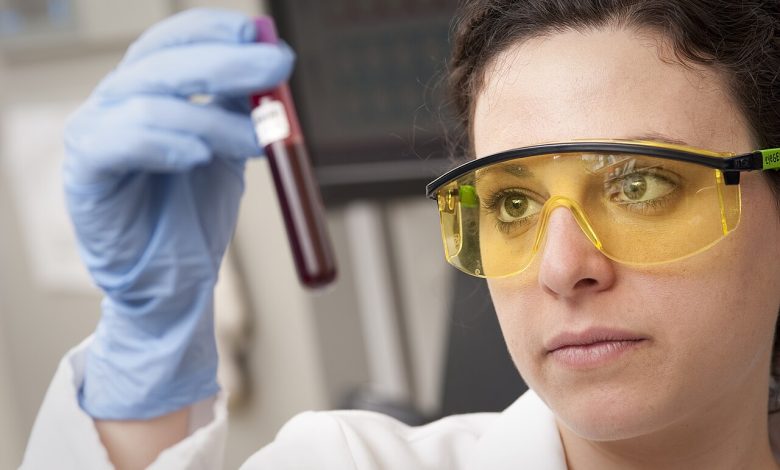
A simple blood test may one day warn apparently healthy older adults that Alzheimer’s disease is on the horizon. In a large long-term study, people with very high levels of a protein fragment called p-tau217 in their blood faced a sharply elevated risk of developing cognitive impairment within the following five to ten years. The results, published in JAMA, raise hopeful possibilities and difficult questions in equal measure.
What the blood test study found
Researchers analysed data from 2,684 older adults who were cognitively healthy when they joined long-running Alzheimer’s studies, testing their blood and following them with yearly check-ups. Those harbouring very high p-tau217 levels had about a 38 per cent risk of developing cognitive impairment over five years, rising to 78 per cent by ten years. Around 478 participants developed impairment during the follow-up period, giving the analysis real statistical weight, although fewer people were tracked for the full decade.
Why doctors urge caution
The scientists behind the work stress that healthy people should not rush to get tested yet. The p-tau217 test is currently used to help diagnose people who already have symptoms, and there is still no proven preventive treatment to offer those flagged early. Predictions can also be clouded by competing risks such as heart disease. The team’s senior author advises waiting until a result can guide action — a theme familiar from our reporting on routine health screening. The Associated Press account of the study is available in this news report.
The ethical dimension looms large over results like these. Learning you face a high probability of cognitive decline within a decade, at a time when medicine can offer monitoring but not prevention, is information some people would rather not have. Counselling frameworks will need to grow up alongside the test, and insurers and employers must never be allowed near the results. Researchers counter that knowledge already shapes behaviour — people who learn their risk often improve sleep, exercise, blood pressure and hearing care, all of which are associated with slower decline — and that future trials of preventive drugs will need exactly these identified volunteers to succeed.
A glimpse of preventive neurology
Even with those caveats, the direction of travel is clear. Blood biomarkers are moving Alzheimer’s detection out of specialist scanners and spinal taps into ordinary clinics, at a fraction of the cost. When preventive therapies do arrive, tests like this one will be how doctors find the patients most likely to benefit, years before symptoms steal independence. Researchers say the test is not yet precise enough for individual prognosis, but each large study sharpens it further.
Knowing risk is only useful when something can be done about it — and that gap is closing. For now, the blood test is a research milestone; soon, it may be the first page of a prevention plan.