
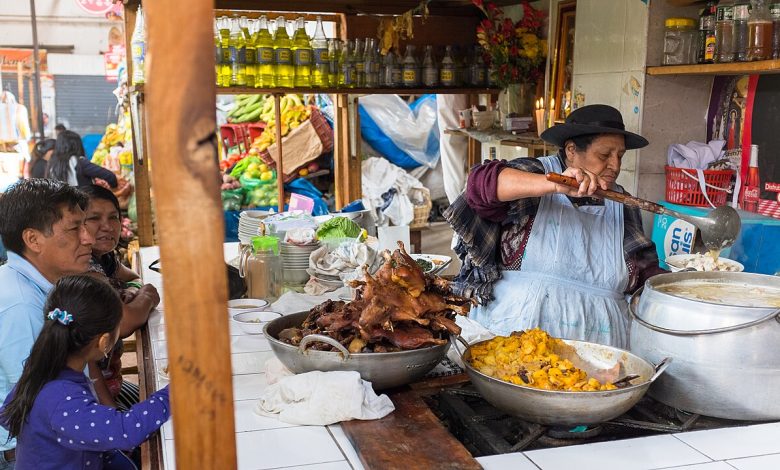
Increasingly, the itinerary is a menu. Gastronomic tourism — travelling primarily to eat and drink — generated an estimated $80.47 billion last year and is forecast to reach $143.43 billion by 2032, growing at more than 8 per cent a year. New market research suggests the boom is being driven by travellers who want their holidays to taste of somewhere specific: local ingredients, heritage recipes and food experiences that cannot be shipped home.
Local flavour beats the familiar
The reports describe a decisive turn away from global fast-food safety nets toward authentic local dining: seasonal produce, traditional techniques and dishes rooted in place. Consumer research cited in the coverage found around 28 per cent of early food adopters have stopped buying international ingredients in favour of local and seasonal ones, a shift that travels with them on holiday. Europe remains the sector’s largest region, but Asia-Pacific is growing fastest, with Singapore positioning itself as the region’s culinary capital. The trend data is explored in Travel Daily Media’s report on the sector.
Wellness on the plate
Food travel is also merging with the wellness economy. Researchers estimate that the overwhelming majority of premium hotels now feature dishes designed around health, skin and longevity, built on functional ingredients such as turmeric, ginger and collagen-rich foods. Entire niche concepts are emerging, including ‘pyrogastronomy’ — cuisine sourced from fire-shaped, climate-resilient landscapes. For destinations, a distinctive food culture is becoming as marketable as a beach or a skyline.
The cuisines set to intrigue global palates next year tell their own story about where food culture is heading. Analysts single out West African dishes — jollof rice, egusi soup, plantain and fonio grain — as templates spreading through restaurant menus worldwide, alongside a broader turn toward fermentation, fire cooking and hyper-regional specialities. For travellers, that means the most exciting meal of a trip is increasingly likely to be in a market hall or a family-run kitchen rather than a famous dining room. Food, in other words, is democratising the highlights of travel.
What gastronomic tourism means for destinations
Food festivals, night markets and chef-led tours give smaller towns a way into the tourism economy without massive infrastructure, spreading spending into neighbourhoods and farms. Our coverage of how travel tastes are changing appears in our lifestyle blog posts. The risk is success itself: when a food scene becomes a global attraction, prices rise and locals can be squeezed out of their own traditions — a balance the smartest destinations are already trying to strike.
Travellers have always eaten; now they plan the trip around the table. For destinations with a real cuisine to share, the appetite of the world is an enormous opportunity.