
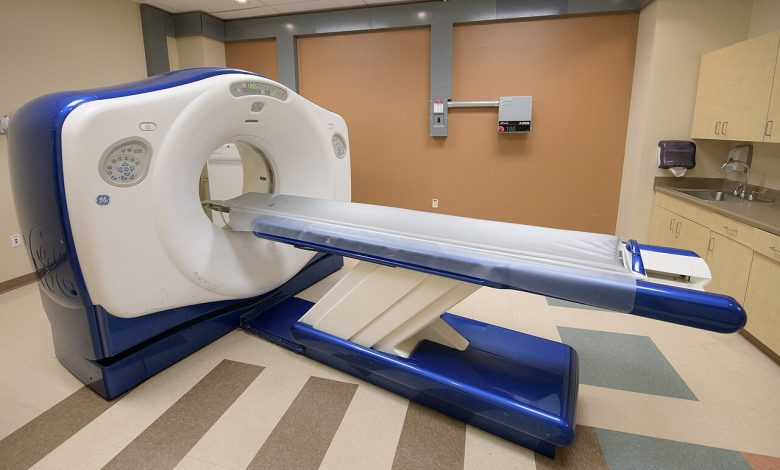
Radiation therapy is a cornerstone of cancer care, yet it can accidentally recruit the immune system to protect the tumour. University of Chicago researchers have now identified the switch: an enzyme called TET2 that radiation activates in certain immune cells, locking them into a suppressive state. When the team blocked TET2, those same cells turned into tumour fighters, improving the effect of radiation and immunotherapy in their models.
When TET2 helps treatment protect the tumour
Radiation, given to roughly half of all cancer patients, kills tumour cells by shredding their DNA. But analysing blood samples from 33 patients with advanced lung cancer, the team found that a class of immune cells called MDSCs carried the highest levels of TET2, and that levels climbed further after treatment, most sharply in patients whose cancers did not respond. TET2 normally edits chemical tags on DNA and RNA; here, it stripped a mark from RNAs near chromatin, reprogramming the cells to suppress immune attack.
Reprogramming instead of removing
Rather than destroying these suppressive cells, the researchers redirected them. Blocking TET2 converted the MDSCs into antigen-presenting cells that stimulate immunity, and in mouse experiments the combination shrank tumours and markedly reduced the spread of cancer to distant sites. It is the kind of elegant reversal that cancer biologists prize, and you can explore the underlying study in the research report on the TET2 findings. Our own pages regularly follow treatment research like this in our blog section.
The work also reframes an old disappointment in oncology. For years, researchers noticed that radiation sometimes seemed to help tumours resist immunotherapy, and the effect was attributed vaguely to the treatment’s collateral damage. Identifying a specific enzyme, in a specific cell type, performing a specific chemical edit turns a vague problem into a solvable one. Because TET2 is an enzyme — a class of proteins drug chemists know how to inhibit — the finding arrives with a practical handle attached. Several experimental TET2-modulating compounds already exist in adjacent research areas, which could accelerate the search for a clinical candidate.
What stands between mice and patients
The team is now exploring how TET2 inhibitors could be combined with radiation in human trials. Challenges include timing the blockade around treatment, ensuring the enzyme is not needed elsewhere in healthy tissue, and identifying which patients’ tumours rely most on this escape route. Because the original patient data came from a real clinical trial combining radiation with immunotherapy drugs, the pathway to testing the idea in people may be shorter than for a wholly new drug class.
Radiation resistance has long looked like a wall; this work suggests it may be a door, held shut by a single enzyme. If TET2 inhibitors deliver in patients, one of oncology’s oldest tools could gain a powerful new partner.