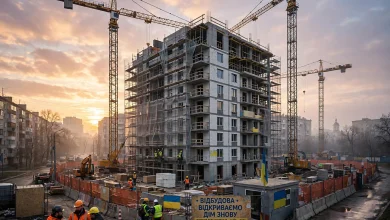
Kyiv is going into another wartime winter with a plan built on a simple principle: assume the power will go out, and make sure nothing essential stops when it does. Addressing Ukraine’s parliament this week, Mayor Vitali Klitschko laid out the scale of the capital’s preparations — and the scale of the attacks that made them necessary.
According to reporting by Ukrainska Pravda, Klitschko told lawmakers that Kyiv’s two big combined heat and power plants, CHPP-5 and CHPP-6, were hit by 12 missiles and drones in 2022, seven in 2023, none in 2024 and 19 in 2025 — and by almost 50 strikes so far this year alone. Specialists have spent every one of those years repairing equipment and preparing the plants for winter, and, as the mayor put it, Kyiv has stood firm.
Generators Everywhere They Matter
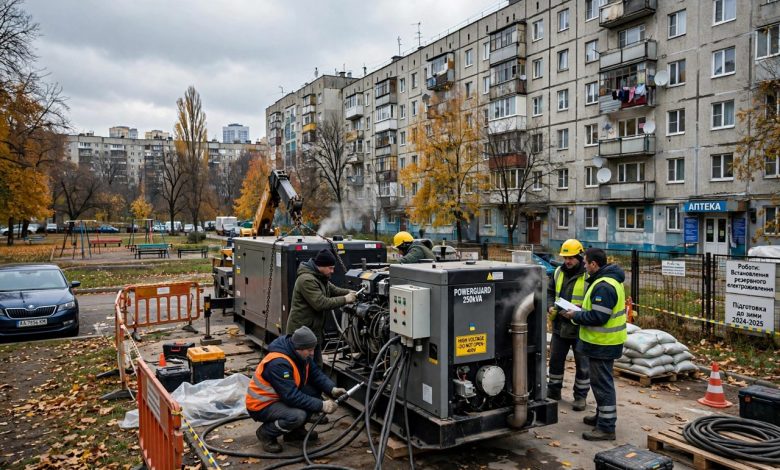
The headline numbers describe a city that has quietly built a second, shadow power system. Kyiv has prepared nearly 700 generators of various capacities for heating and water supply facilities, along with 70 mobile boiler rooms that can be moved to wherever heat is needed most. Three diesel power plants have been built, and a backup water intake facility now stands ready if the main supply is interrupted.
The water utility, Kyivvodokanal, currently runs 103 generators of its own and is awaiting additional high-capacity systems being manufactured abroad. More than 6,000 pieces of equipment — generators, inverters and batteries — have been bought for residential buildings under municipal energy resilience programmes, helping apartment blocks keep lights, lifts, water pumps and heating circulation running during blackouts.
Hospitals and Schools First
The priorities are clear from where the equipment has gone. All of the capital’s educational institutions have generators, including 285 high-capacity units, so schools and kindergartens can function as both classrooms and community heating points. Hospitals are equipped with backup power sources and currently have 480 generators between them.
Fifteen hospitals have their own wells, with six more under construction, so a power cut does not become a water cut in an operating theatre. Eleven medical facilities already have autonomous heat from their own boiler rooms, and by the end of the year that number is planned to rise to 21. It is unglamorous infrastructure, but in a winter war it is the difference between a functioning city and a humanitarian emergency.
The Argument About Air Defence
Klitschko’s address was not only a briefing; it was also a challenge. As Interfax-Ukraine reported, the mayor sharply criticised the central government, asking where the air defence protecting the capital had been and where the billions allocated to protect Ukrenergo facilities had gone. He said an overnight attack on October 14 struck several key energy facilities in the city and surrounding region, causing fairly serious damage, and complained that blocked funds and suspended payments had frozen energy resilience projects in communities across the country.
The exchange reflects a real tension in Ukraine’s war effort. Cities control the boilers, pumps and local grids that residents actually depend on, but the air defences that protect them — and much of the money — sit with the central state. When a missile gets through, it is the mayor who answers for the cold apartments. That dynamic runs through much of what we have covered about rebuilding in real time, where local teams repair damage faster than national politics can argue about it.
What This Winter Will Test
Preparations can soften a blackout; they cannot abolish one. Generators need fuel, maintenance and technicians to switch systems over, and they are a bridge, not a substitute for the grid. Kyiv remains heavily dependent on electricity supplied from outside the city, which means damage to high-voltage lines and substations far from the capital can still darken its streets. Energy experts have warned that in a bad scenario, outages this winter could stretch for many hours at a time.
Residents, for their part, have adapted in ways that would have seemed extraordinary four years ago — a resilience we have also seen in Ukraine’s startup scene, which refuses to slow down. Apartment associations pool money for batteries and solar panels, businesses plan shifts around published outage schedules, and the city’s famous points of invincibility stand ready to offer heat, light and a charged phone.
The Bottom Line
Kyiv’s winter plan is best understood as layered insurance: big generators for the plants and pumps, mobile boilers for the neighbourhoods, batteries for the apartment blocks and wells for the hospitals. Each layer buys time when the next strike lands. The argument between city hall and the central government about who should have done more will continue, in parliament and in the press. But the equipment is bought, the fuel is being stockpiled and the repair crews are on rota. For the fourth winter of full-scale war, that readiness — imperfect, expensive and hard-earned — is what stands between Kyiv and the cold.