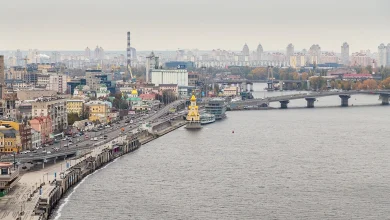
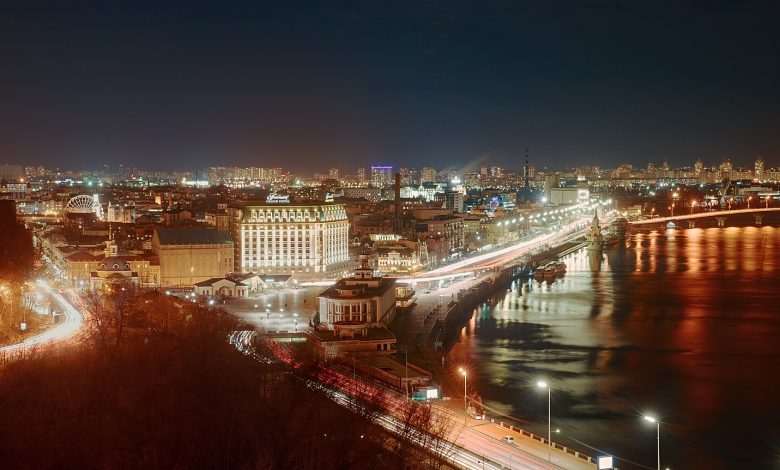
Russian forces launched another heavy overnight assault on Ukraine’s energy system, striking critical infrastructure in Kyiv three times in a single night and cutting electricity and water supplies to multiple districts of the capital. In Kharkiv, Shahed-type drones hit three districts, injuring three people and damaging ten residential buildings, according to the city’s mayor. Officials described the drone barrage as one of the heaviest of the autumn campaign.
The Scale of the Drone Barrage
Ukraine’s air force said Russia launched 113 Shahed-type drones alongside cruise and ballistic missiles in the latest wave, of which air defences intercepted 96 drones and three missiles. President Zelensky said 17 ballistic missiles were fired during the barrage and accused Moscow of taking no steps toward de-escalation in the energy sector, despite public talk of restraint. Ballistic missiles remain the hardest threat to stop because of their speed and trajectory, which is why interceptor stocks dominate Kyiv’s requests to allies, as our military updates coverage has repeatedly noted.
Life in the targeted districts
For residents, the strikes translate into cold apartments, dry taps and another round of improvised routines: charging phones at metro stations, filling bottles at public pumps and timing cooking around rolling blackout schedules. Repair crews, meanwhile, move between substations under the constant risk of a follow-up strike on the same site, a tactic Ukrainian officials say is designed to kill or scatter the engineers who restore power.
Ukraine answers in kind
Kyiv has not simply absorbed the pressure. Ukrainian long-range drones struck three Russian oil refineries and a gas-chemical complex, with at least six separate fires reported at the Novokuybyshevsk refinery in Russia’s Samara region, according to Russia’s own deputy prime minister. The exchange underlines the war’s current shape: an energy duel in which both sides bet that the other’s infrastructure, and public patience, will crack first. A detailed timeline of the night’s events appears in the daily Russia-Ukraine war brief.
Energy has become the war’s second front in the most literal sense, and both armies now plan their autumns around it. Ukrainian energy officials have spent the summer dispersing generation, stockpiling transformers and pre-positioning repair crews, lessons bought at enormous cost in previous winters. Russia, in turn, has refined its targeting toward the nodes whose loss darkens the most homes at once. The result is a grim rhythm in which each capital wakes to damage reports and each evening’s news leads with percentages of the grid restored. What has changed this year is the explicit linkage between the strikes and diplomacy: every barrage is also an argument about leverage, made in the language of blackouts, in the weeks when negotiators are quietly testing what a settlement might contain.
With winter approaching, the stakes of each night’s exchange are rising. Ukraine’s grid has been rebuilt many times over since 2022, but every strike consumes scarce transformers, interceptors and repair capacity. How long that equation can hold may depend less on engineering than on the speed of Western deliveries now working their way through approval pipelines.