
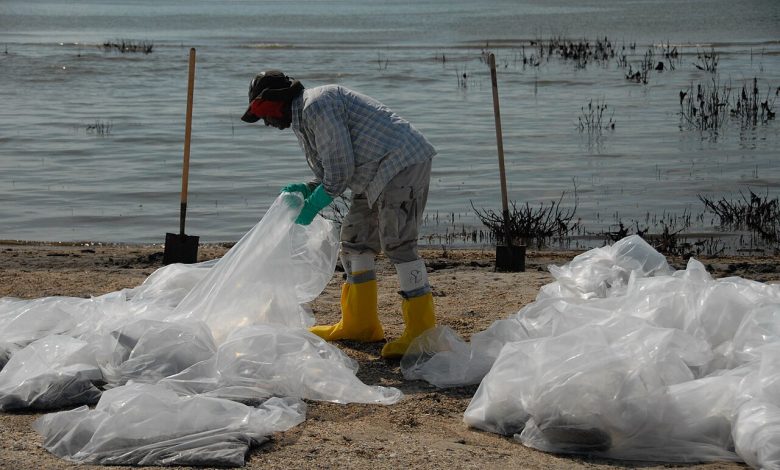
UAE authorities have confirmed that the oil leak from the tanker GEM NO. 2 has been stopped at its source, with field assessments detecting no new leakage. Cleanup and environmental monitoring operations continue along stretches of coastline affected by the oil spill, which spread off Umm Al Qaiwain and toward the shores of Ras Al Khaimah, Ajman and Sharjah. Some beaches remain temporarily closed as a precaution.
A coordinated response
The Ministry of Energy and Infrastructure is coordinating the response with the Ministry of Climate Change and Environment, the national emergency authority NCEMA, and federal and local bodies to secure the tanker in UAE territorial waters. Satellite imagery reviewed late in October showed the slick concentrated off Umm Al Qaiwain, helping teams target booms, skimmers and shoreline crews where they were most needed. According to the Emirati Times report on the operation, monitoring surveys are continuing around the clock.
Protecting the coast from the oil spill
Oil spills threaten marine ecosystems, fisheries and the tourism value of the northern emirates’ beaches, so the precautionary closures are aimed as much at public confidence as at safety. Environmental teams are surveying affected areas for oiled wildlife and contaminated sand, work that typically continues long after the visible slick disperses. The incident invites comparison with our coverage of treasured coastal landscapes and why their protection commands such effort.
Local businesses are watching the cleanup as closely as environmentalists. Beach clubs, dive operators and waterfront restaurants along the northern coast depend on exactly the shoreline now under assessment, and prolonged closures into the peak season would bite hard. Officials have balanced those interests by closing only affected stretches rather than entire coastlines, and by publishing monitoring updates intended to keep public confidence intact. The incident is also a reminder of the density of tanker traffic through the Strait of Hormuz and along the UAE’s east coast, where a single vessel’s failure becomes many communities’ problem within a tide cycle.
What happens next
With the leak stopped, attention turns to the condition of the tanker itself, the cause of the release and the timetable for reopening closed beaches. Authorities say areas will reopen as assessments confirm they are clean, while monitoring for submerged or weathered oil continues. Incidents of this kind also feed a wider regional conversation about tanker safety in some of the world’s busiest energy shipping lanes.
Containment is the milestone responders needed; recovery is the longer road. For now, the UAE’s coastline has its source of pollution switched off — and a cleanup operation determined to finish the job.