
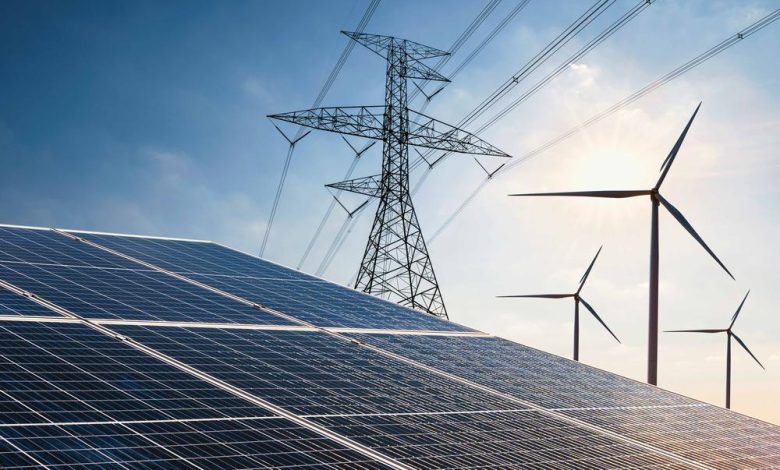
The solar energy sector has experienced significant expansion over the past several decades, supported by growing recognition of climate change and the demand for renewable energy alternatives. Solar panel manufacturers are essential contributors to this transition, supplying the technology and infrastructure required to convert solar radiation into usable energy. The industry comprises both large international corporations and smaller specialized enterprises, each advancing solar technology development and market penetration.
These companies’ products reduce dependence on fossil fuels while providing consumers with opportunities to decrease energy expenses and achieve greater energy autonomy. As demand for renewable energy and solar battery storage increases, solar panel manufacturers continue to lead technological innovation and market growth. Beyond manufacturing solar panels, these companies develop integrated solutions encompassing installation, maintenance, and financing services.
This comprehensive approach enables them to serve varied markets, including individual residential customers and large industrial operations. The solar industry’s competitive environment is shaped by continuous technological improvements, shifting regulatory frameworks, and changing consumer demands, which directly influence how these companies operate and develop their business strategies.
The Importance of Renewable Energy
Renewable energy sources, particularly solar power, are essential in addressing the global energy crisis and mitigating climate change. The reliance on fossil fuels has led to significant environmental degradation, including air pollution, greenhouse gas emissions, and habitat destruction. In contrast, renewable energy sources like solar power offer a cleaner alternative that can significantly reduce carbon footprints.
The transition to renewable energy is not merely an environmental imperative; it is also an economic opportunity that can drive job creation and stimulate local economies. The importance of renewable energy extends beyond environmental benefits; it also encompasses energy security and resilience. As geopolitical tensions and market fluctuations affect fossil fuel prices, countries that invest in renewable energy can reduce their dependence on imported fuels.
This shift not only enhances national security but also stabilizes energy prices for consumers. Furthermore, renewable energy technologies are becoming increasingly cost-competitive with traditional energy sources, making them an attractive option for both consumers and businesses alike.
Top Solar Panel Companies in the Industry
The solar panel industry is populated by several key players that have established themselves as leaders through innovation, quality, and market reach. Companies such as First Solar, SunPower, and Canadian Solar have made significant strides in solar technology and manufacturing processes. First Solar, known for its thin-film solar panels, has focused on sustainability by utilizing cadmium telluride technology, which offers a lower carbon footprint during production compared to traditional silicon-based panels.
Their commitment to recycling and sustainability has positioned them as a responsible choice for environmentally conscious consumers. SunPower stands out for its high-efficiency solar panels that utilize advanced cell technology to maximize energy output. Their products are often favored in residential applications where space is limited, as they can generate more electricity per square foot than many competitors.
Canadian Solar has gained recognition for its extensive global reach and diverse product offerings, including both residential and utility-scale solutions. Their ability to adapt to different markets and regulatory environments has allowed them to maintain a strong presence in the competitive landscape of solar energy.
Innovations and Technologies in Solar Panel Manufacturing
The solar panel manufacturing sector is characterized by continuous innovation aimed at improving efficiency, reducing costs, and enhancing durability. One of the most significant advancements in recent years has been the development of bifacial solar panels. These panels can capture sunlight from both sides, increasing their overall energy output compared to traditional monofacial panels.
This technology is particularly beneficial in environments with reflective surfaces, such as snow or sand, where additional light can be harnessed. Another notable innovation is the integration of smart technology into solar panels. Smart solar panels equipped with sensors and communication capabilities can optimize energy production by adjusting their angle based on sunlight intensity or tracking weather patterns.
This level of automation not only maximizes efficiency but also allows for real-time monitoring and maintenance, reducing operational costs for both manufacturers and consumers. Additionally, advancements in materials science have led to the development of perovskite solar cells, which promise higher efficiency rates at lower production costs compared to conventional silicon cells.
The Environmental Impact of Solar Energy
The environmental impact of solar energy is overwhelmingly positive when compared to fossil fuels. Solar power generation produces no direct emissions during operation, significantly reducing air pollution and greenhouse gas emissions associated with traditional energy sources. This transition is crucial in combating climate change and its associated effects on ecosystems and human health.
Furthermore, the lifecycle analysis of solar panels shows that even during manufacturing and disposal phases, the overall carbon footprint remains substantially lower than that of fossil fuel-based energy systems. However, it is essential to acknowledge the environmental challenges associated with solar panel production. The extraction of raw materials such as silicon and rare metals can lead to habitat destruction and pollution if not managed responsibly.
Additionally, end-of-life disposal of solar panels poses a challenge due to the potential release of hazardous materials if not recycled properly. To mitigate these impacts, many leading solar panel companies are investing in sustainable practices throughout their supply chains and developing recycling programs that ensure responsible disposal and recovery of valuable materials.
The Future of Solar Panel Companies
The future of solar panel companies appears bright as global demand for renewable energy continues to surge. Governments worldwide are implementing policies aimed at reducing carbon emissions and promoting clean energy technologies, creating a favorable regulatory environment for solar companies. As technological advancements continue to drive down costs and improve efficiency, solar power is expected to become an even more attractive option for consumers and businesses alike.
Moreover, the integration of solar power with other technologies such as energy storage systems will play a crucial role in shaping the future landscape of the industry. Battery storage solutions enable users to store excess energy generated during peak sunlight hours for use during periods of low sunlight or high demand. This capability enhances the reliability of solar power as a primary energy source and encourages greater adoption among consumers who may have previously been hesitant due to concerns about intermittency.
Investing in Solar Panel Companies
Investing in solar panel companies presents a compelling opportunity for individuals and institutions looking to align their portfolios with sustainable practices while potentially reaping financial rewards. The growth trajectory of the renewable energy sector indicates that companies involved in solar technology are likely to experience significant expansion as global energy needs evolve. Investors can choose from a variety of options, including publicly traded companies that manufacture solar panels or those that provide installation services.
When considering investments in this sector, it is essential to conduct thorough research into each company’s financial health, market position, and commitment to sustainability. Many investors are increasingly looking at environmental, social, and governance (ESG) criteria when making investment decisions. Companies that prioritize sustainable practices not only contribute positively to society but may also be better positioned for long-term success as consumer preferences shift toward environmentally friendly products.
The Role of Solar Panel Companies in Sustainable Development
Solar panel companies are integral to the advancement of sustainable development goals worldwide. By providing clean energy solutions that reduce reliance on fossil fuels, they contribute significantly to mitigating climate change while promoting economic growth through job creation in manufacturing, installation, and maintenance sectors. As technological innovations continue to emerge within the industry, these companies will play an even more critical role in shaping a sustainable future.
The ongoing evolution of the solar industry reflects a broader societal shift toward sustainability and environmental responsibility. As awareness grows regarding the impacts of climate change and resource depletion, the demand for renewable energy solutions will only increase. Solar panel companies stand ready to meet this demand while fostering a cleaner planet for future generations through their commitment to innovation and sustainability practices.