
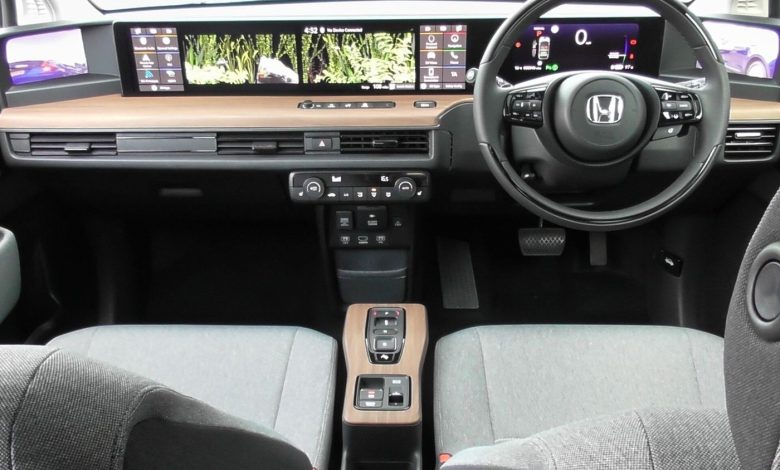
Step inside a modern electric car and the dashboard often looks more like a carefully designed digital workspace than a traditional set of dials. Large touchscreens now handle navigation, charging information, entertainment, and vehicle settings in one place. For drivers, the change brings both convenience and a learning curve. Clear displays can show remaining range, nearby charging options, and energy use at a glance, which helps with planning longer journeys. At the same time, designers are under pressure to keep essential controls easy to reach. The best systems balance rich information with simplicity, so drivers can understand what the car is doing without taking attention away from the road.
What the Evidence Shows
The next stage of cabin design is about personalisation and clarity. Many vehicles now allow driver profiles that remember seat positions, preferred routes, and display layouts. Voice controls are also improving, letting people adjust settings with spoken requests instead of searching through menus. Safety remains central to these choices, and regulators continue to discuss how much should be handled by touch alone. Carmakers that listen to driver feedback tend to restore physical controls for the most frequent tasks. As software updates become routine, the dashboard will keep evolving after purchase, making thoughtful, uncluttered design more important than impressive screen size alone. Reporting and analysis from sources such as MIT Technology Review track the same developments, and specialists following electric car dashboards and driver experience say the direction is now consistent across independent lines of evidence.
The Wider Context
The wider context is an industry learning to ship capability and restraint together. Products built around electric car dashboards and driver experience now launch with safety evaluations, usage data and rollback plans as standard, because enterprise buyers and regulators ask for them in the first meeting. Companies that treated those questions as friction are discovering they have become the purchase criteria.
What Happens Next
What happens next for electric car dashboards and driver experience depends less on another breakthrough than on the unglamorous work of reliability, pricing and support. The buyers evaluating it now are not enthusiasts; they are operators with budgets and auditors, and their checklists will decide the timeline. On the evidence of the current pilots, the technology has earned the right to be judged by them. You can follow related developments in our coverage of technology.
There is a practical lesson in all of this for readers deciding what to do today. Start with the verified facts, be wary of anyone promising certainty, and prefer reversible steps while the evidence is still developing. Circumstances differ by country, income and personal situation, so general guidance should always be weighed against your own context before you act on it in any significant or lasting way.
It is also worth remembering how quickly the picture in this area has changed before. Positions that looked settled a few years ago have been revised as new data arrived, and the same humility is appropriate now. The strongest coverage of this subject, and the most useful advice, tends to come from sources that update their views openly when the facts move, rather than defending an earlier position long after it has stopped fitting the evidence available.