
If you care about your yard in Red Deer, Alberta, you have probably noticed patches of stubborn plants creeping through the turf. They show up in spring, spread through summer, and by July your grass can look uneven and stressed. It happens to many homeowners here. The mix of clay soil, cool nights, and steady rain creates conditions where aggressive species thrive. At PROPERTY WERKS, we see this across central Alberta every season. A mowing crew can spot trouble early, sometimes before you do. Thin areas, bare spots, compacted soil, dull mower blades, all of it plays a role. I have seen yards that looked fine in May and by August were half taken over because the grass was cut too short. It does not take much. You can improve the situation with a few steady habits. Keep your turf at about 2.5 to 3 inches tall during peak growing months. Taller grass shades the soil and slows unwanted growth. Water deeply, around 2.5 centimetres per week, rather than frequent light sprinkling. Aerate compacted areas once a year. Feed with a balanced fertilizer suited to Alberta’s short growing season. These steps sound simple, but they add up. Sometimes removal by hand works for small patches. For larger sections, selective treatments may be required. Timing matters. Late spring and early fall tend to deliver better results because plants are actively absorbing nutrients. You need to follow municipal guidelines and provincial regulations. If you are unsure, it is safer to speak with a local service that understands the climate and soil here. Consistent mowing also makes a real difference. A sharp blade cuts cleanly and reduces stress on the turf. Regular service keeps growth even and prevents seed heads from spreading. That is where PROPERTY WERKS focuses its effort. Strong, thick grass crowds out unwanted plants naturally. It takes patience. But with steady care, your yard can look full and healthy through the season.
Clearing Unwanted Growth from Your Yard in Red Deer
If you live in Red Deer, you have likely noticed stubborn plants pushing through your turf every spring. The climate in central Alberta, with cool nights and steady moisture in May and June, gives them a real advantage. I have seen thick patches of dandelion and clover take over in just a few weeks. It feels frustrating, especially after you spent time mowing and watering. The good news is that control is possible with steady care and a bit of patience. Healthy turf is your first line of defence. Thick grass crowds out unwanted plants by blocking sunlight and space. Mow at about 2.5 to 3 inches. Do not cut too short. Short blades weaken roots and open bare spots. Water deeply once or twice a week rather than a light sprinkle every day. In Alberta, about 2.5 cm of water per week during dry periods works well. Feed with a slow release fertilizer in early spring and again in early fall. Strong roots make a difference, you will notice it within a season.
Manual and Targeted Control Methods
Sometimes you need to step in directly. I still pull broadleaf intruders by hand in small areas. It is oddly satisfying, though time consuming.
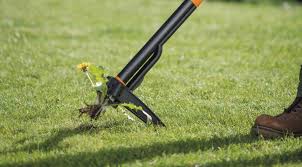
- Use a long handled extractor tool to remove the full root, especially for dandelions.
- Apply a selective herbicide designed for broadleaf plants, follow the label carefully.
- Treat spots, not the entire yard, to limit chemical use.
- Seed bare patches right after removal to prevent new growth.
Timing matters. Late spring and early fall are usually best for treatment in this region.
Ongoing Maintenance and Local Support
Consistency beats quick fixes. Aerate once a year, usually in early fall, to loosen compacted soil. Overseed thin sections. Keep an eye on shaded areas near fences or trees, they often thin out first. If the work feels like too much, a local team such as PROPERTY WERKS can handle regular mowing and monitor problem spots before they spread. Regular cutting, every 7 to 10 days during peak growth, keeps seed heads from forming. Over time, steady care reduces unwanted growth and gives you a thicker, greener yard that can handle Alberta’s shifting weather. You might still see the odd patch pop up. That is normal. Stay consistent, adjust your approach each season, and your turf will slowly improve. It rarely changes overnight, but with steady effort, you will see progress across the whole property.
Identifying Common Lawn Weeds in Red Deer and Determining the Right Removal Method
Before you treat unwanted plants in your yard, you need to know what you are dealing with. In central Alberta, a few species show up again and again. Dandelion is easy to spot with its yellow flower and thick taproot. White clover spreads low and produces small round blooms. Creeping thistle grows taller, with spiny leaves that make mowing unpleasant. Quackgrass blends into turf at first glance, which makes it frustrating. Each type behaves differently, so the solution should match the plant, not just the symptom. Timing plays a big role in control. Broadleaf varieties respond best to treatment in late spring or early fall, when they move nutrients to their roots. Perennial grassy invaders often require repeat action. I have seen homeowners spray too early in April, then wonder why nothing changed. Soil temperature here usually needs to reach about 10 degrees Celsius before products work properly. A bit of patience saves money and effort.
| Plant Type | Key Features | Best Control Method |
| Dandelion | Yellow flower, deep taproot | Manual extraction tool or selective broadleaf herbicide |
| White Clover | Low growth, white round blooms | Improve nitrogen levels, spot spray if dense |
| Creeping Thistle | Tall stems, spiny leaves | Cut repeatedly, apply targeted herbicide in fall |
| Quackgrass | Coarse blades, fast spreading roots | Dig out affected section, reseed area |
Mechanical removal works well for isolated patches. Use a long handled extractor after rainfall, when soil is soft. Pull slowly to remove the full root. For larger sections, apply a selective product labelled for residential turf in Alberta. Follow label rates closely. More product does not mean better results. After clearing an area, overseed within a week. Bare soil invites new growth. Regular mowing helps limit seed production. Keep grass height around 6 to 8 centimetres during peak season. PROPERTY WERKS focuses on steady cutting schedules across the city, which helps clients stay ahead of invasive plants. You still need to watch for thin spots near sidewalks and driveways. Those areas dry out first. A thicker turf stand over time reduces unwanted growth and gives your yard a cleaner look without constant treatment.
Contact “PROPERTY WERKS” For More Information:
Address
1017 1 Ave NE, Calgary, AB T2E 0C9
Phone
(403) 239-1269
Hours of operation
Weekdays 9 a.m.–5 p.m.
Website
https://www.propertywerks.ca/red-deer
Map
Q&A:
I keep pulling dandelions, but they come back every spring. Am I doing something wrong?
You are probably removing the top growth and leaving part of the taproot behind. Dandelions in central Alberta develop long, thick roots that can reach 15 to 25 centimetres deep. If even a section stays in the soil, the plant can return. Try using a narrow extraction tool after a rainfall, when the ground is soft. Push it straight down beside the root and lift slowly. Also look at the condition of your turf. Thin grass creates space for new seeds to settle. Mow at about 7 centimetres and fertilize in spring and early fall to thicken the stand. It takes a season or two to notice steady improvement.
Is it better to spray or remove unwanted plants by hand in my yard?
It depends on the size of the problem. For a few scattered patches, manual removal works well and avoids chemical use. For larger areas, a selective broadleaf herbicide labelled for residential use in Alberta can save time. Apply it when temperatures are between 12 and 25 degrees Celsius and avoid windy days. Treat only affected spots. Spraying the entire yard rarely makes sense unless the infestation is widespread. Always reseed bare sections after treatment so new growth does not take over.
What mowing height helps prevent invasive plants from spreading?
Short cutting weakens turf and exposes soil to sunlight, which encourages unwanted growth. Keep your grass between 6 and 8 centimetres during peak season. That height shades the soil and supports deeper roots. Regular mowing every 7 to 10 days also stops seed heads from forming. Consistency matters more than one perfect cut. If your yard looks thin near sidewalks or driveways, raise the deck slightly and water deeply once a week rather than lightly every day.
Can improving soil really reduce the number of unwanted plants, or is that just marketing talk?
Soil health makes a noticeable difference. Compacted ground limits root growth and leaves open space for invasive species. Aerating once a year, usually in early fall, loosens the soil and improves air and water movement. Adding nitrogen through a balanced fertilizer can help turf compete better against clover, which thrives in low nitrogen conditions. It is not an overnight fix. You may still see patches the first year. With steady mowing, feeding, and occasional overseeding, most yards show fewer problem areas over time. It is practical maintenance, not a sales pitch.