A protein that sits on the surface of cellular power plants may help explain why muscles stop responding to insulin in type 2 diabetes. Researchers report that the protein, known as Miro1, is present in unusually high amounts in the muscle of people with the condition, and that removing it in preclinical models restored healthy insulin responses. The findings, published in Nature Communications, also show that aerobic exercise naturally lowers Miro1 levels.
Miro1, a mitochondrial suspect
Miro1 lives on the outer membrane of mitochondria, the structures that produce most of a cell’s usable energy. The research team found excess Miro1 interfered with the way muscle tissue handles insulin signals, contributing to the insulin resistance at the heart of type 2 diabetes. When the protein was removed in laboratory models, the impairment reversed, suggesting Miro1 is not just a marker of the disease but an active driver of one of its core problems.
Exercise presses the same lever
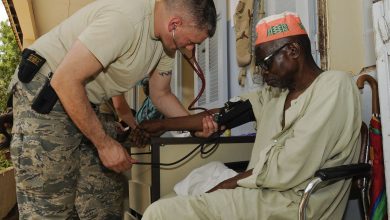
One of the study’s most striking observations is that aerobic exercise reduced Miro1 levels in people with type 2 diabetes, alongside improvements in insulin sensitivity and in the muscles’ capacity to produce energy. That may help explain, at a molecular level, why exercise is such a reliably effective prescription. It also echoes themes in our coverage of everyday health checks becoming routine, where simple, repeatable habits deliver outsized benefits. The full study details are available via the science report on the findings.
The study also helps knit together two observations doctors have long held side by side: that muscle is the body’s largest glucose sink, and that its energy-producing machinery malfunctions early in diabetes. By placing a single protein at the junction of those facts, the researchers give drug developers a defined address to aim at. Skeptics will note that many promising metabolic targets have stumbled when human biology proved messier than laboratory models, and that Miro1’s day job in moving mitochondria around cells could complicate efforts to suppress it. The team acknowledges the distance still to travel, describing the work as the start of a programme rather than a finished therapy.
From mechanism to medicine
Turning the discovery into a treatment will require drugs that can safely dial down Miro1 in muscle without disrupting its useful roles elsewhere in the body. That is a long road, running from compound screening through years of trials. Still, genuinely new targets are prized in diabetes research, where most medicines work around insulin resistance rather than at its roots. If Miro1 inhibitors can be developed, they might one day complement exercise and existing therapies rather than replace them.
For the hundreds of millions living with type 2 diabetes, progress often arrives one mechanism at a time. Miro1 offers researchers a fresh place to push — and another reason the humble workout remains medicine.