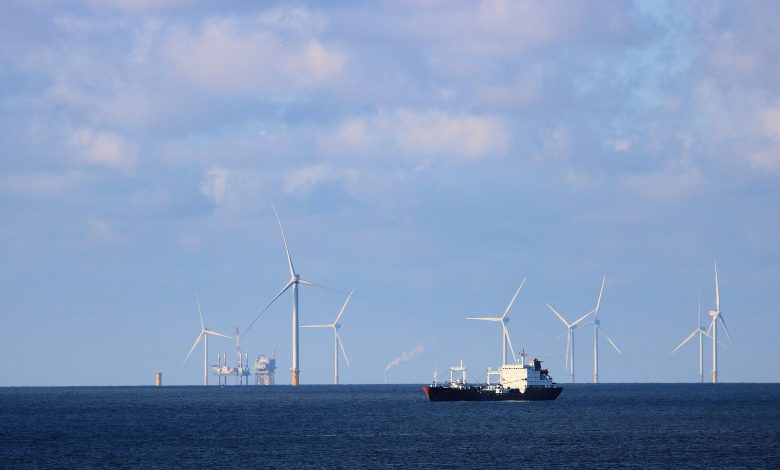
Oil has moved violently in the opposite direction to almost everything else. Brent crude settled at $117.63 a barrel, up 2.4 per cent on the day, after Iran’s Revolutionary Guard reported that tankers had caught fire after striking mines in the Strait of Hormuz, the narrow waterway through which a fifth of the world’s oil passes.
A chokepoint under threat
Iran’s account, not yet independently confirmed in full, described four tankers ablaze after mine strikes, while separate reporting said a tanker carrying 27 Indian crew members was attacked with limpet mines. Attribution for the incidents remains unestablished, but markets rarely wait for certainty where Hormuz is concerned: even the possibility of mined shipping lanes reprices every barrel that must pass through them. WTI crude in the US rose to about $104 a barrel in the same move.
Winners, losers and second-order effects
The spike is a windfall for producers, and it framed the strong earnings that oil majors reported in the same week, part of the broader market pattern covered in our economy section. For importers, especially in Asia and Europe, it is an inflation shock arriving precisely as central banks debate whether they can stop tightening. Higher crude also feeds directly into petrol prices, freight costs and airline economics within weeks.
What traders are pricing
The key question is duration. A brief scare fades; a mined strait does not. Naval responses, insurance rates for Gulf shipping and any Iranian or US statements will move the price more than inventory data for now. The day’s full markets dashboard, including the Hormuz reaction, is rounded up in this market roundup.
Energy analysts caution that Hormuz scares follow a pattern: an initial spike on headlines, then a slow fade if tankers keep moving and no infrastructure is destroyed. The difference this time is the word ‘mines’. Missiles and drones threaten individual ships; mines threaten the route itself, and clearing them is slow, dangerous work that insurers price accordingly. Even a partial disruption, longer voyages, war-risk premiums, naval escorts, would ripple through refining and retail fuel markets for weeks. Governments hold strategic reserves for precisely this scenario, though releases calm prices only briefly. For now, the strait remains open and the cargoes keep sailing, and the market’s $117 verdict is best read as an insurance premium: expensive, rational, and very sensitive to the next headline.
Hormuz has been threatened many times and closed never, but oil markets are paid to price the tail risk. At $117, Brent is saying the tail looks fatter than it did a week ago, and every consumer of fuel on the planet will feel that judgement if it holds.