
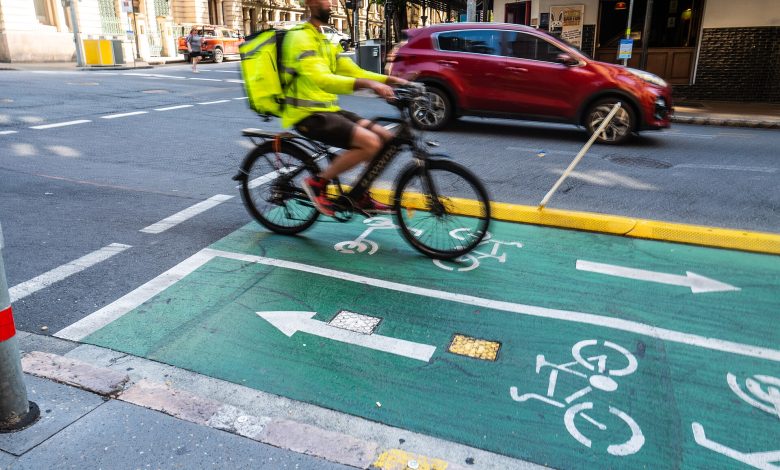
DoorDash has agreed to buy Instacart for $17 billion, in a deal that would unite America’s largest restaurant-delivery platform with its best-known grocery-delivery service and redraw the map of the on-demand economy. The DoorDash Instacart deal is expected to close after regulatory review.
Why the DoorDash Instacart Deal Makes Sense
The logic is adjacency. DoorDash built its business on restaurant orders and has been pushing into groceries, convenience and retail; Instacart owns the grocery relationships, the retailer integrations and a growing advertising business built on sponsored product placement. Together they would offer merchants a single channel reaching customers whether the basket is a takeaway dinner or the weekly shop, and give both companies more data, more order density and more leverage with the retailers they serve. The deal’s headline terms were among the top items in today’s daily news brief.
The regulatory question
A combination of this size will not sail through unexamined. Antitrust regulators have taken a close interest in delivery platforms, and rivals such as Uber Eats and Walmart’s delivery operation will argue the merged group controls too much of the market’s infrastructure. The companies will counter that they compete with supermarkets’ own apps, Amazon and each store’s front door. Expect the review, rather than the price, to set the timetable, a pattern familiar from other large consumer deals tracked in our economy section.
What it means for workers and shoppers
For couriers, consolidation raises familiar questions about pay algorithms and order allocation when two gig workforces become one. For shoppers, the pitch is convenience: one app, one subscription, groceries and restaurants side by side. Whether prices follow the same direction as convenience is the part of the story consumers will judge for themselves.
Consolidation in delivery has been predicted for years, and the logic has only strengthened as growth slowed from pandemic peaks. Order frequency, not downloads, is the industry’s real currency, and both companies have been racing to own more of the week’s food decisions: DoorDash through subscriptions and new verticals, Instacart through its retailer partnerships and advertising network. A merger converts two overlapping cost bases, two courier fleets, two technology stacks, into one, and the savings case writes itself. The harder question is cultural and operational: Instacart’s business is built on deep integration with grocers who may not welcome being absorbed into a partner that also competes with them at the doorstep, and those relationships, not the purchase price, may decide whether the deal delivers what its spreadsheets promise.
If completed, the DoorDash-Instacart deal would be the defining transaction of the delivery industry’s consolidation era, turning a pandemic-born rivalry into a single heavyweight. The strategic case is easy to state; the regulatory and human cases are where the next year of this story will be fought.